

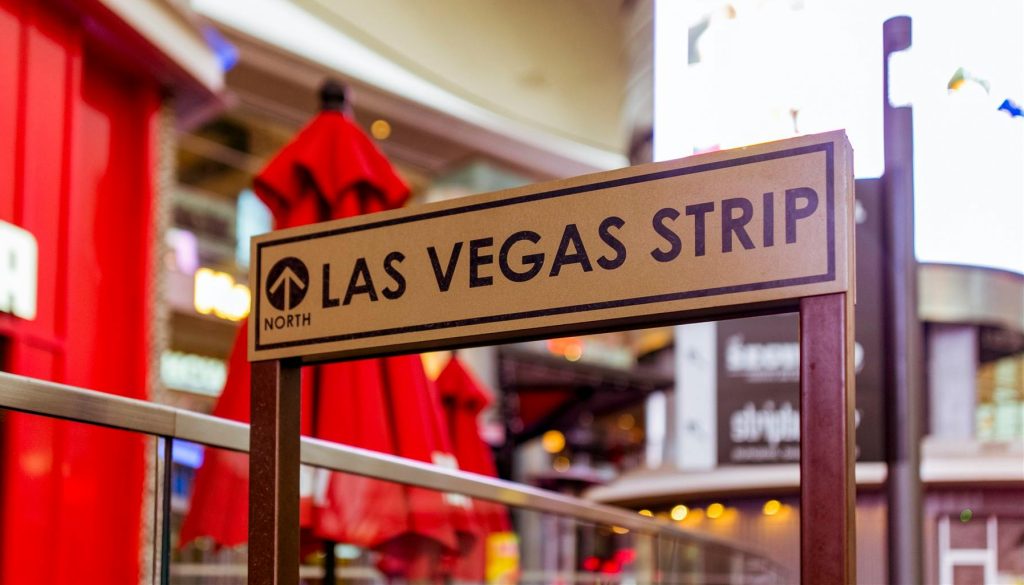
There have been all sorts of reports about Las Vegas’ recent tourism downturn, with visitation in June down 11% from the year prior – a pretty significant dip for a market like Las Vegas. A player wonders if that’s a warning sign that gaming conditions are going to get worse:
Tourism from all over the world is affecting places like Vegas. Does the fact that less people are gambling and spending money mean the casinos are tightening their payouts?
DC U on YouTube
No, we don’t expect things to be changing because of visitation numbers. One indicator is that with room occupancy down, room rates are also down – they could try to raise them in an attempt to make up for the downturn by charging the rest of us more, but that’s not the trend – room rates are down too.
One bright spot was that gaming revenue was actually up in June, despite the downturn. Reports have been indicating for awhile that higher-end properties are doing better than the budget-friendly ones, a sign that those with a deeper bankroll are making up for those on a budget opting out of a visit.
It’s also worth noting that convention attendance is down 10 percent in the same period year over year; while convention attendees are apt to do some gambling, it’s a different audience than the core gambler, who is likely to play longer.
So it’s a bit of a mixed bag of information, but usually the casinos don’t tweak gambling conditions to make them worse during a downturn, any more than they would make them better when things are firing on all cylinders. If anything, promotional activity (like room packages or your casino offers) would be expected to improve in favor of the gambler to try to fill some rooms and get some additional play.
The trend of less people spending more has been a long-time trend in Las Vegas, seen in visitation numbers still not reaching the peaks previously hit before the pandemic, but gaming numbers achieving records quite often post-pandemic. Casinos have certainly been finding ways to wring more money out of visitors, but gaming conditions have overall been stable, as seen by the Nevada reporting numbers.















Could the fact that most casinos these days are replacing “oldie but goody” slots in favor of the new, flashy, highly volatile games have anything to do with it? I purposely stay away from them because my bankroll can’t handle the long dry spell of line hits that would otherwise extend play on a machine, even on lower bets. This summer especially, after a couple of losing trips (to our local casinos) because of non-wins on the new generation of slot games, I have no desire whatsoever to return to the casino. Our last annual trip to Vegas in May sealed the deal of no return because of escalating food prices as well. We always stay downtown because we felt we got more bang for our buck—not so the last couple of years!
Volatility definitely plays a role – even if casinos leave payouts exactly as they have been, volatility means overall there will be fewer, and bigger, winners, with more losing sessions to make up for it. In the long run, it evens out – a big win at some point can make up for a lot of the smaller losses – but the roller coaster of ups and downs becomes more extreme. Casinos have been more aggressively replacing machines in the past few years, so the drift towards volatility has been pretty clear.
Ok—I’m confused. I thought casinos can’t tighten payouts.
Casinos do have some control over the payouts on their machines, and set them within the options available (which means they can’t just choose anything). That could mean a company makes a deliberate decision over a window of time (given the time it takes to do this) to lower payouts across the casino floor (for example, after a casino has been sold). What they don’t do is constantly tinker, or target specific players, or change things based on a specific promotion or day of the week. Normally once a machine is set up, its settings are rarely revisited after that.
In the case of the topic of this article, casinos aren’t changing payouts just because less people are coming to town. But they could change payouts if they had a specific goal or reason in mind – it’s just not feasible or practical to change them frequently.