

Blackjack is the most popular table game. A casino usually has as many, if not more, blackjack tables than all other live games combined. The reason is that blackjack offers one of the best returns in the casino when favorable rules like a 3/2 payout on a natural are offered.
Blackjack may seem complicated. If you are unsure about the game, playing an electronic or online version first is an inexpensive way to learn it. Some online casinos have free play versions.
Once you are comfortable with playing blackjack, it is time to head to a live table. There are some rules to know before sitting at the table.
Buying into a Live Blackjack Game
When buying into the game, place your cash on the felt after a hand ends. Some casinos require blackjack players to enter the game after the shuffle. Other players may appreciate that, even if it is not a house rule. Place your players card on the table with the cash. Once you have your chips, make your bet in the circle in front of you. If you are betting chips of different denominations, the largest goes on the bottom. Once the bet is set, do not touch it during the hand.
Once you have cards, there are signals used to show the dealer what your preferred action is. This depends on how the blackjack game is dealt.
Telling the dealer is not enough. If there is a dispute, the casino wants surveillance to settle it. The camera must see what action the player made. That is why hand signals are required.
Hand Signals at a Shoe Blackjack Game
Most blackjack games are dealt out of shoes. This means many decks, usually six or eight, are shuffled together and placed inside a rectangular box that allows the dealer to take one card at a time out without exposing any.
Shoe blackjack deals all cards face-up. Players may not touch the cards. Once all cards are dealt, players decide which action to take.
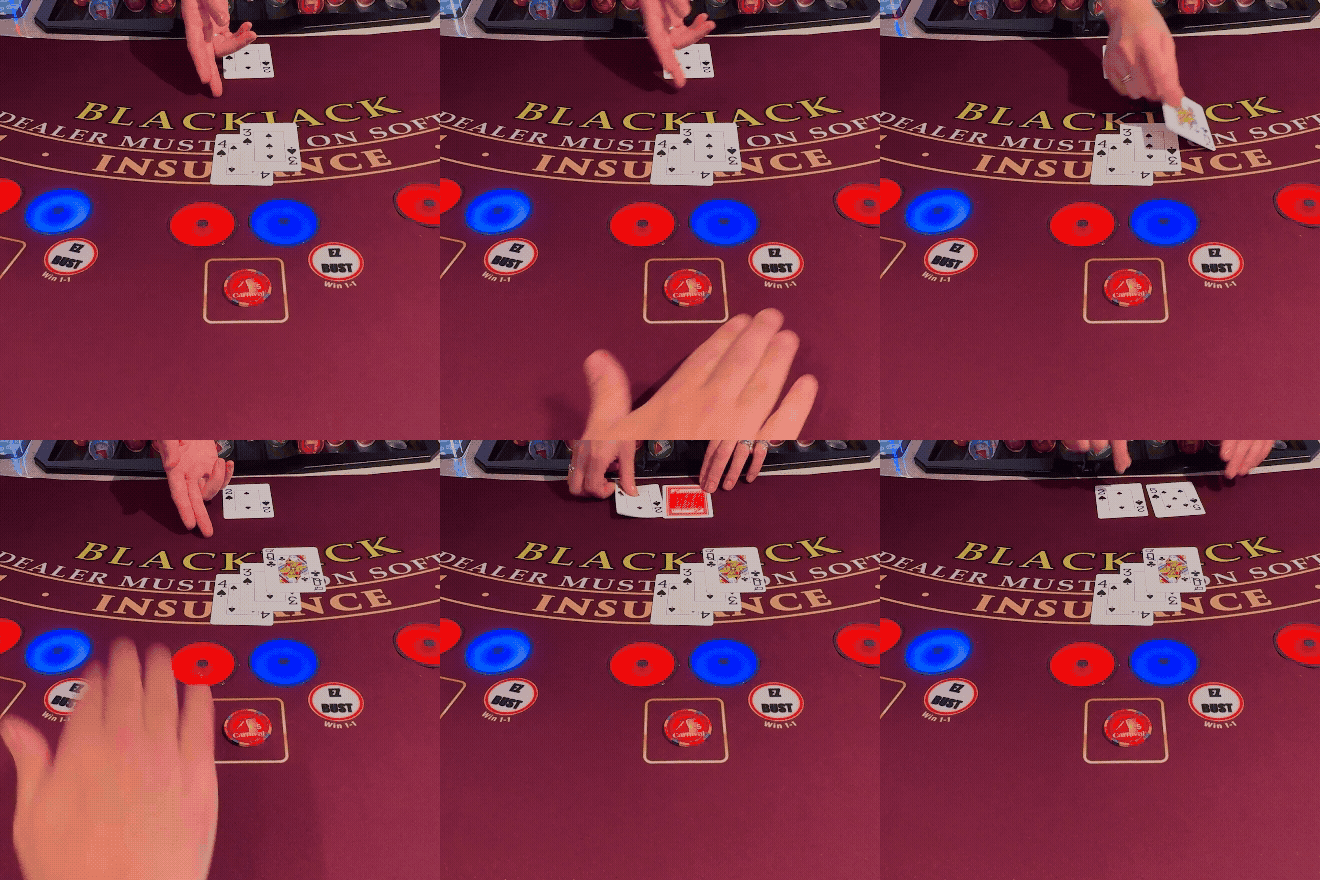
- Hit: To take a card at a shoe game, tap the table behind your cards, or make a motion with a finger towards your seat. The dealer will then place a card face up with the others. Use the same action to hit again until you bust or want to stand.
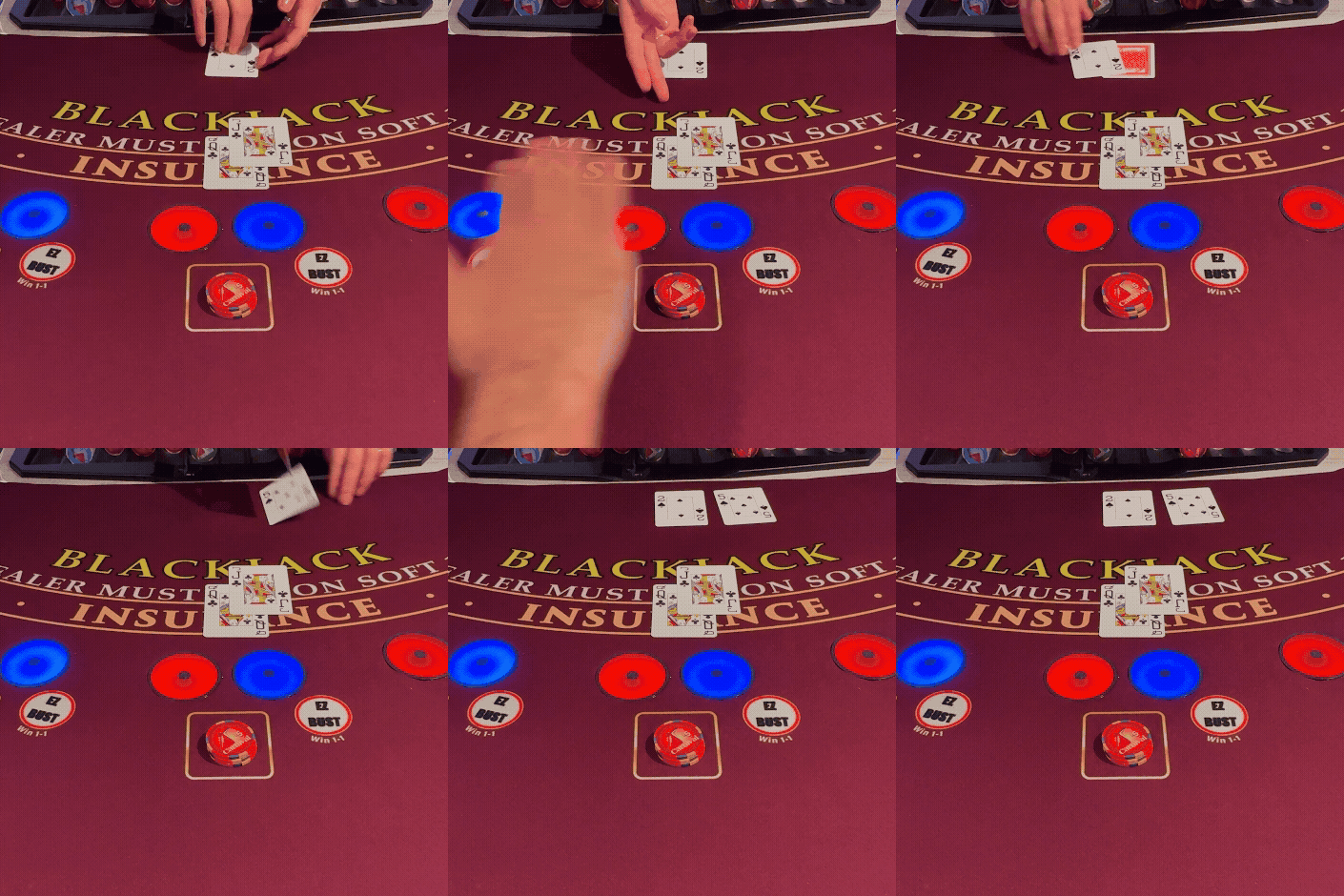
- Stand: When you do not want any more cards, take your hand and wave it above the cards. This tells the dealer and surveillance that you are done drawing cards. Action will move to the next player or the dealer if all players have acted.
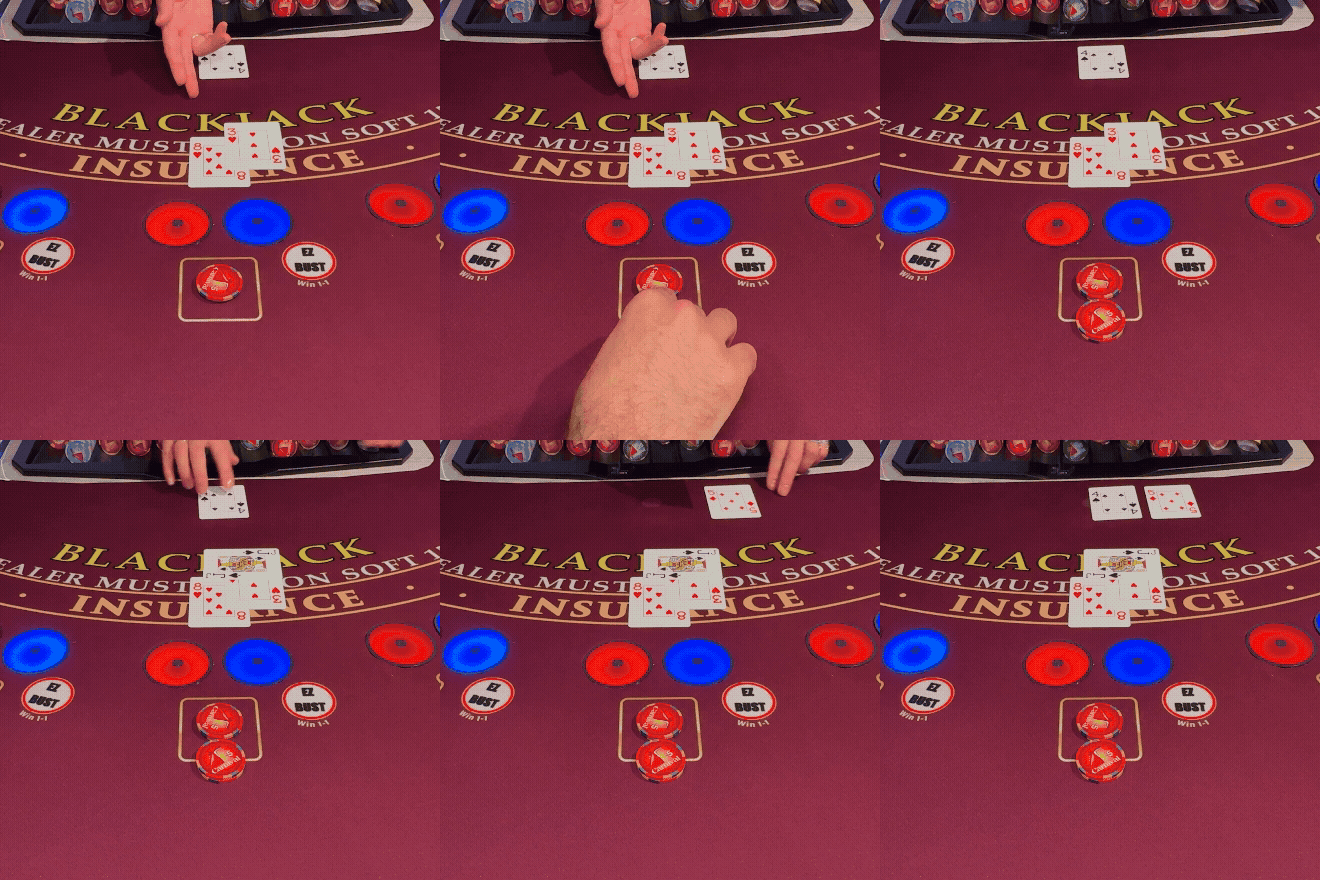
- Double Down: To double down in a shoe game, place an amount equal to the original bet next to it. Then, hold one finger up. The dealer will give one card. Some casinos deal it up. Others deal it down. In some cases, the player can choose.
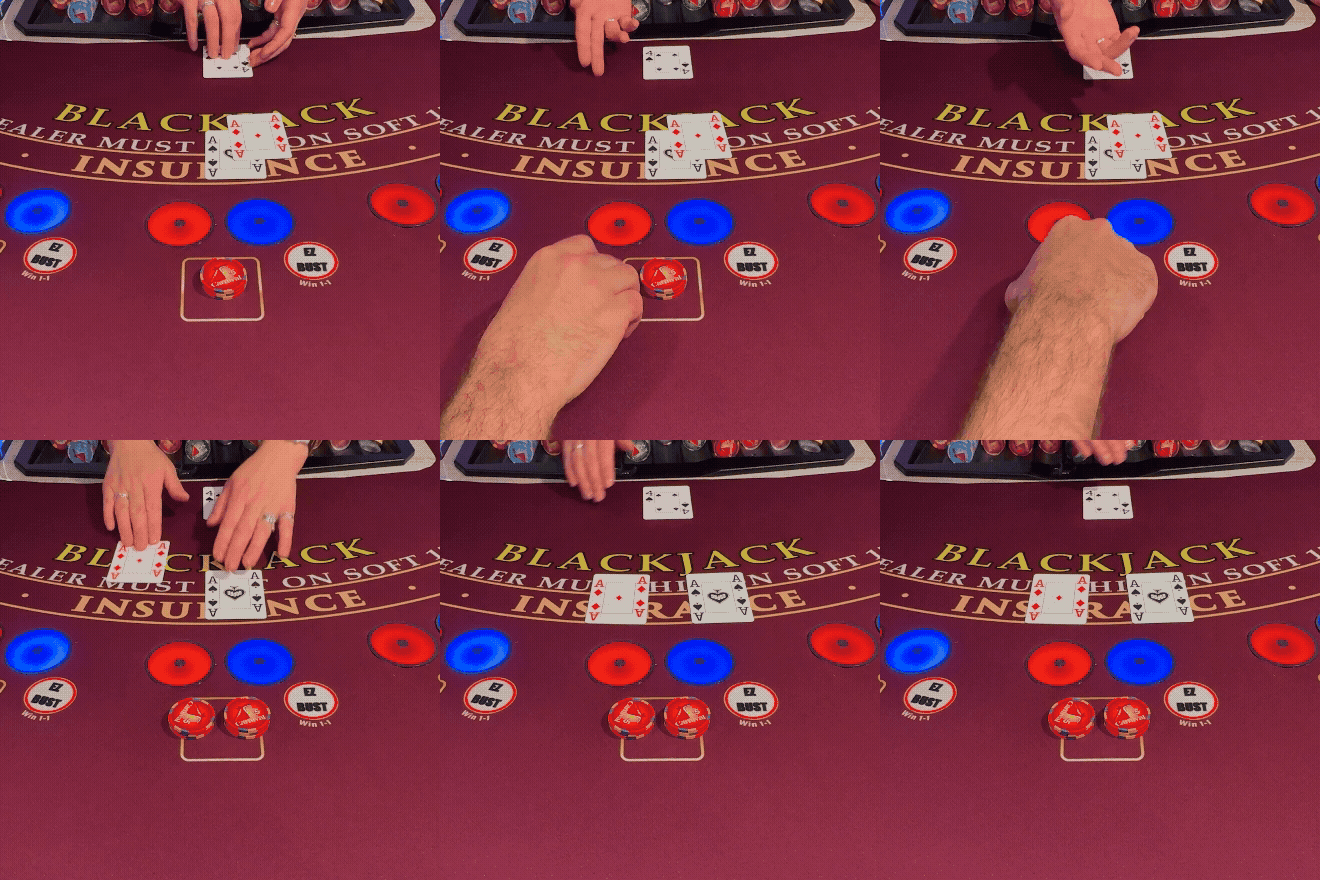
- Split: When a player is dealt a pair, there is an option to split. This requires an additional bet equal to the original one. Place the split chips next to the betting circle and show the dealer your index and pinky fingers. The dealer will split your hand and start dealing the first split. Use the hit and stand signals as normal for both hands. If the first card after the split makes another pair, you can usually split again using the same hand signals and chip placement.
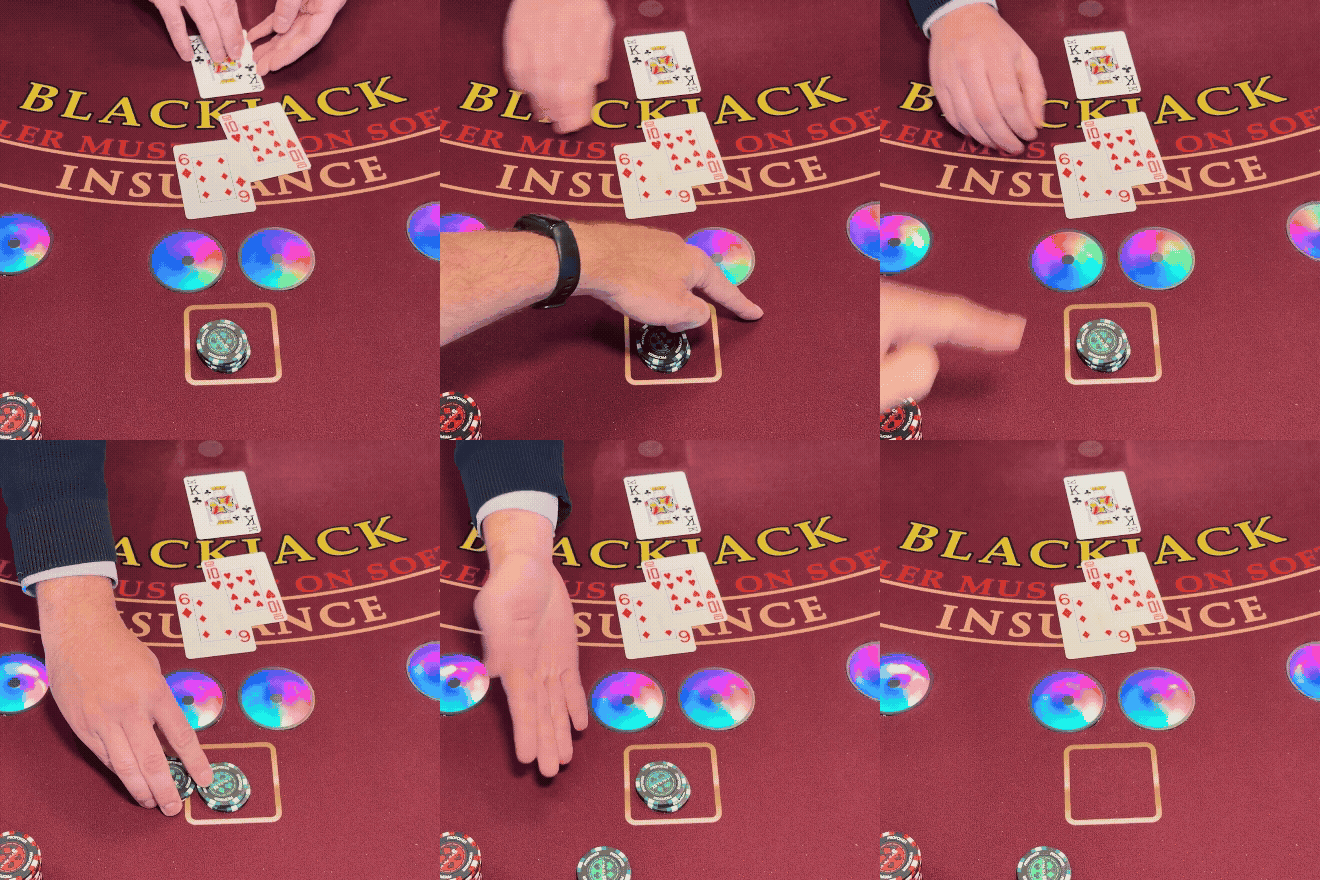
- Surrender: Surrender is offered in some six and eight-deck blackjack games. This allows the player to give the house half the bet and fold. The other half is returned to the player. To surrender, take your index finger and slide it from right to left or left to right on the felt. The dealer will bring the bet into the center of the table, break it into two, and return half to the player.
Pitch Blackjack Hand Signals
Pitch blackjack is dealt face down. This is used in some single and double-deck blackjack games. In most cases, the cards are used to signal. Only touch the cards with one hand at a pitch blackjack game.
Pitch blackjack games are used to help prevent card counting at games with just one or two decks. The downside is that the cards are replaced two or three times as often, which slows the game.
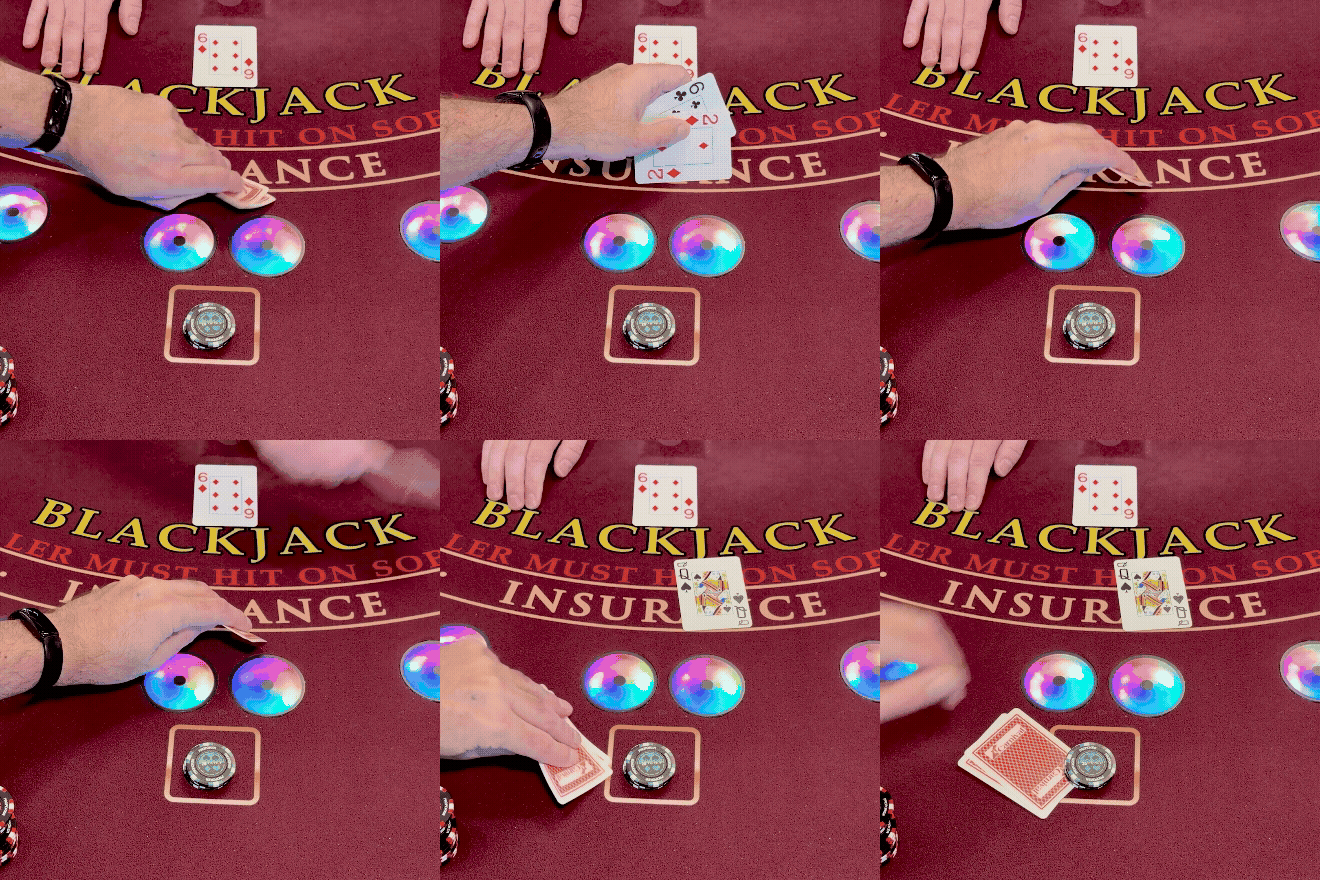
- Hit: To hit at a pitch game, drag your cards on the felt towards you.
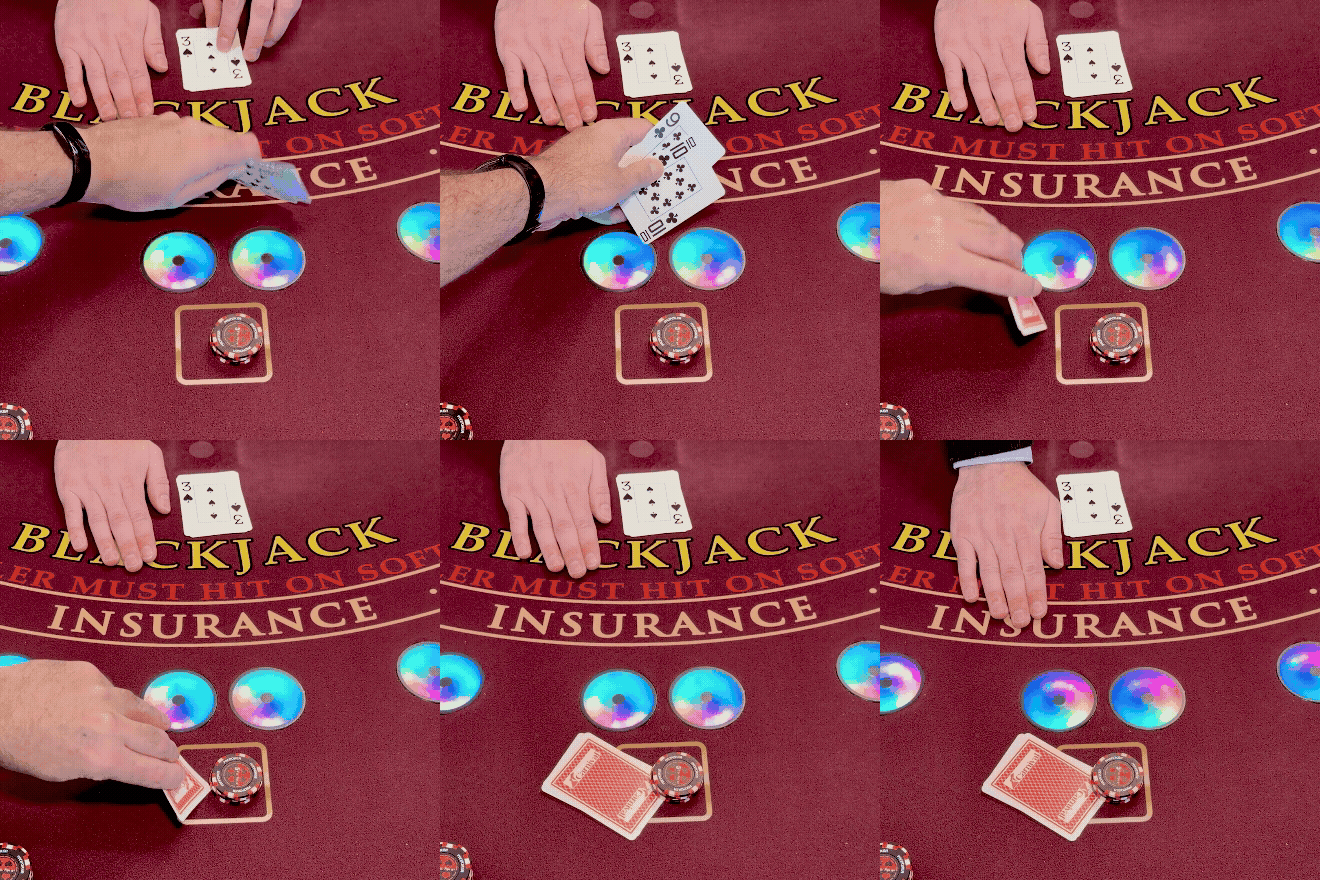
- Stand: Tuck your cards under your chips face down to stand. Do not touch the chips with your hand.
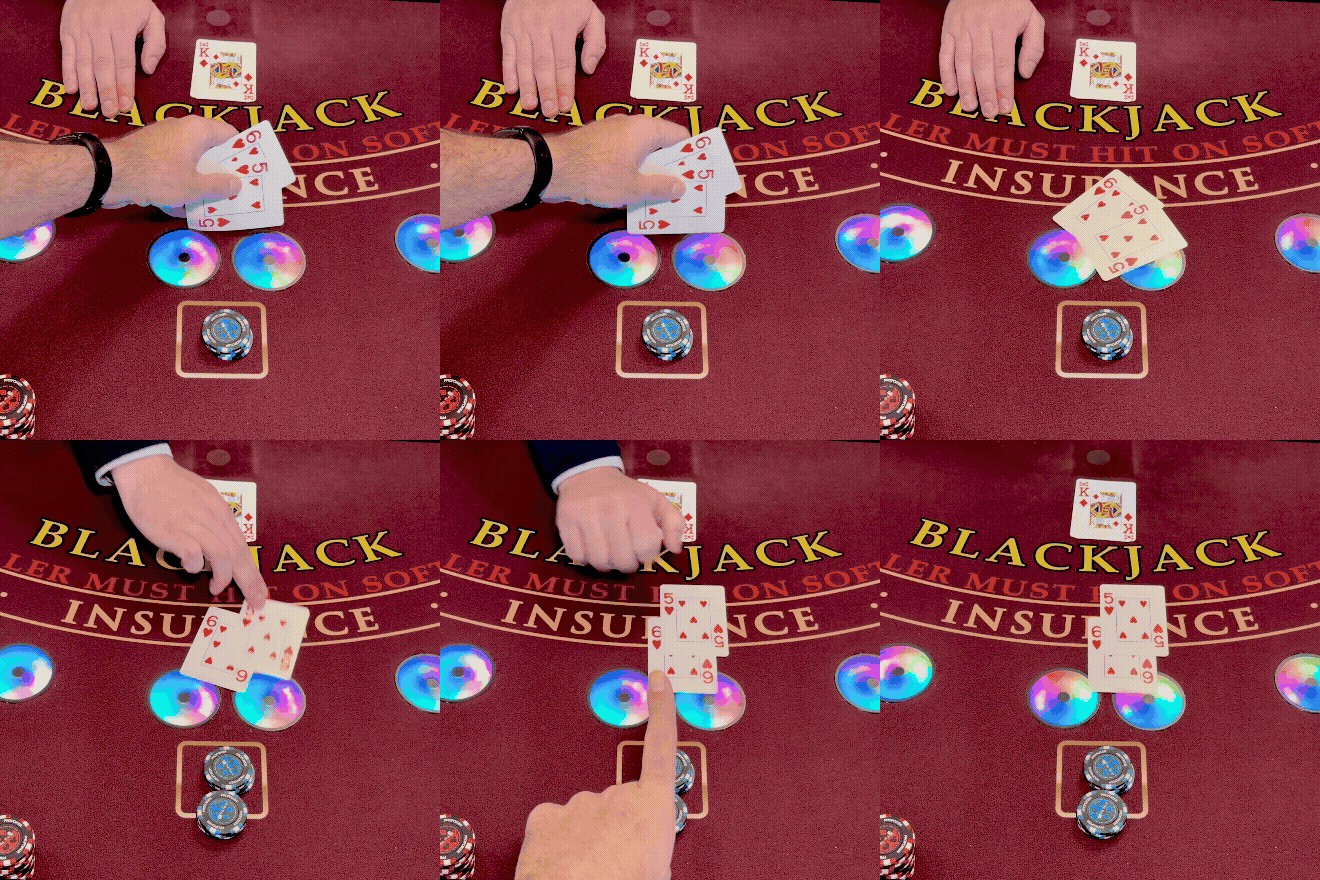
- Double Down: Flip the two cards face up and place a bet behind or next to the original one. Hold one finger up to confirm, especially if the pair is fives, as there may be some confusion. The double down card will be placed face down.
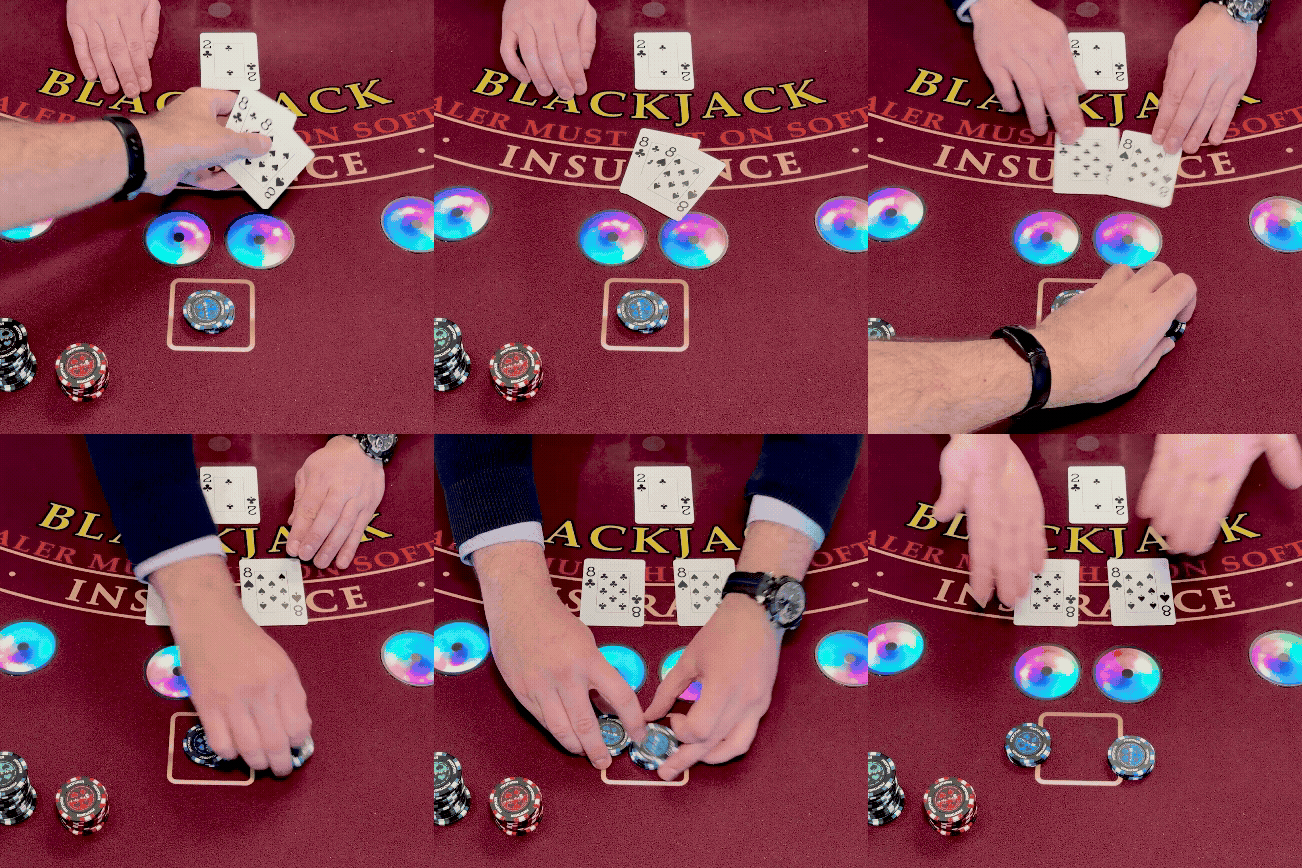
- Split: If dealt a pair and you want to split into two hands, place the cards face up and use the index and pinky finger motion. The dealer will turn the pair into two hands. From here, use the shoe hand motions, like waving to stand, tapping the table to hit, and placing a bet next to the existing one to double.
- Surrender: Surrender is not permitted in pitch games.
Special Double Down Rules
Most houses allow a player to double down for less than an amount equal to the original bet. Never do this. If it is worth doubling, make the full bet. Most games only allow doubling down on the first two cards. Some variants, like Spanish 21 and Super Fun 21, permit doubling down after hitting. Some houses may only permit doubling down on 9, 10, or 11, or just 10 and 11, while most permit it on any first two cards. Doubling down after splitting is not permitted at some blackjack games.
Special Split Rules
Split rules vary from one casino to another. Most only allow aces to be split once. Split aces may only be hit in variants like Spanish 21 and Super Fun 21. Some casinos only allow any pair to be split once. Single and double-deck games often do not allow doubling down after splitting. Some six and eight-deck games also have this rule. While most casinos allow any ten-value cards to be split, never do it. Always stand on your 20.
Check the Rules Before Playing
Blackjack tables post rules on the placard or on the podium behind tables. Rad the rules to understand when double down and splitting is permitted. Watch the game for a moment to determine if it is a shoe or a pitch game. The shoe will be on the table next to the dealer. In a pitch game, the dealer holds the cards.













I have a minor quibble with your comment about the hand signal for splitting. In the 30+ years I’ve been playing Blackjack I can’t recall anyone using their index and pinkie fingers to indicate their desire to split pairs – it’s usually the index and middle fingers; as in the “peace” sign. Either signal will work, but in terms of actual finger movements, it’s significantly easier to make a “peace” sign with your fingers than holding your middle and ring fingers down to extend the index and pinkie fingers. Also, if you let the dealer know upfront that you’re a beginner, they’ll generally* have more patience with you if you do something incorrectly, and provide you with guidance during your play. (* I say “generally” because, sadly, there are some very nasty dealers out there.)
Thanks Larry – we expect that doing either will be fine – the index finger and pinky is a bit more obvious for the eye in the sky and the dealer, but generally speaking we don’t tend to see any issues when people signal in other ways that is an obvious sign for a split. And finding the right dealer is usually the most important aspect if all other elements of each table are the same, which often times within at least a section of the pit can be the case.