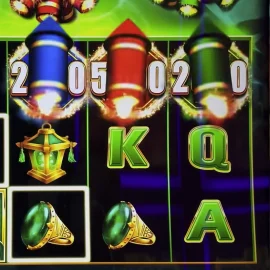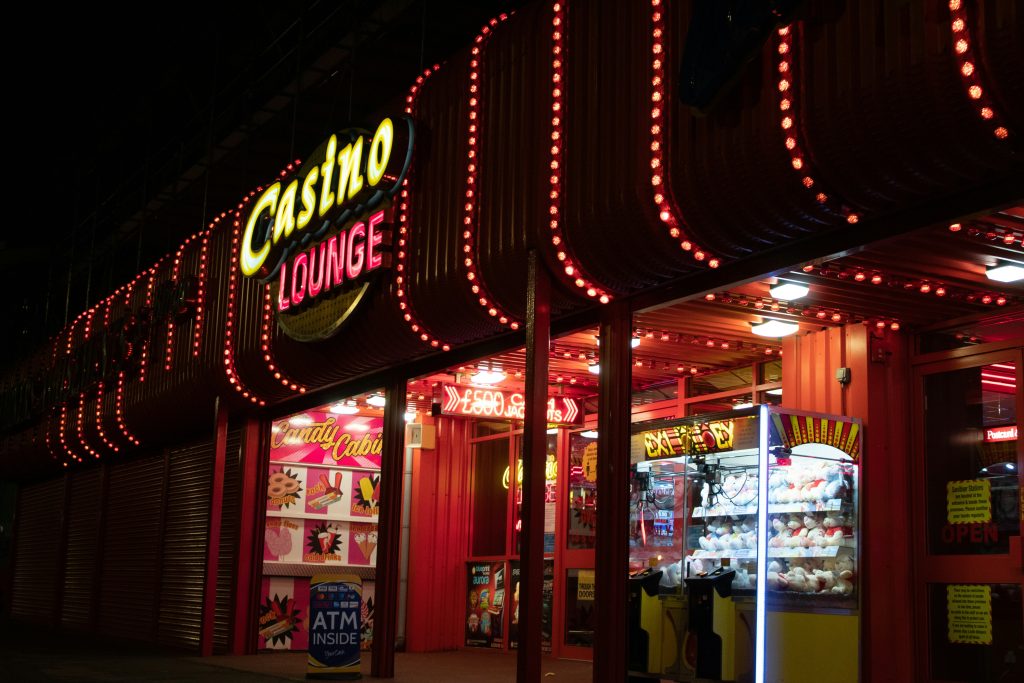
Periodically we get a question that talks about those… other… machines. You know, the ones that aren’t in casinos, and oftentimes aren’t regulated or sanctioned. Here’s an example:
While vacationing in Florida, I searched foe a casino to go to. There seemed to be A LOT of what I was calling strip mall casinos. Looking online, it appears the only casinos Florida allows are on tribal lands. What the heck are these strip mall casinos about?
Laura H.
We’ve previously talked about machines that look like slots, but aren’t considered slots, that are used to work around the legality of slots in various markets.
At the top of the list, and most accepted, are Historic Horse Racing machines and Bingo machines. Both of these are effectively betting on something other than slots (historic horse races and bingo, respectively), and use the reels on slots to show you what you won – they don’t actually do anything for your win and, as such, are “for entertainment purposes only.”
Another class of games are so-called skill-based gaming, which proponents argue aren’t gambling because you have the ability to make a decision that improves your chances of winning. For example, you get the ability to nudge a reel higher or lower to make a line hit that did not land initially.
But because the programming allows the game to determine where things land, and what percentage of winners and losers are, it’s still a game with a house edge and so on. And skill is involved with other games like Blackjack and Video Poker as well. So some argue that means it’s more akin to gambling. Those arguments are being carried out state by state, as each state has its own rules and whether these games fit within them will depend on how state laws work.
But the machines in Florida are on another level altogether. First off, Florida has two types of casinos – the tribal casinos as you mention, and racetrack casinos that are most predominantly in the southern part of the state in areas like Miami.
They call themselves “arcades” but they’re effectively tiny casinos, and news organizations like the Tampa Bay Times have done all sorts of big write-ups about them. The thing to keep in mind about these and other gray area scenarios like the skill-based slots in many states is they’re not regulated – and that means protections around payouts, payback percentages and other rules designed to protect not just the casinos, but the players, aren’t in play.
In this case, they could be legitimate slot machines with the same protections and designs that you find in other casinos. But they could also be counterfeits created in countries like China to mimic the real thing but haven’t gone through the various levels of review actual slots have.
There are definitely states where machines in bars and such are legalized and regulated. If you’re not sure if where you are has those protections in place, it may be worth sticking to a casino in a place where you know the rules are more entrenched.
And while some fear tribal casinos for the lack of transparency around things like payouts and rules that can occur in some markets, many tribal casino operators, like the Seminole Hard Rock organization that has the casinos in Florida, also run commercial casinos and agree to the same rules in other parts of the country, so it’s reasonable to expect them to operate like any other commercial operator accordingly.
Have a question? Submit yours here!