In Part 1, we took a look at innovations that gambling built upon in the digital age, beginning with video slot machines.
5. Progressive Slot Machines
In 1986, IGT changed the game forever by launching the very first Megabucks. This massive gambling industry innovation brought about a new era in slot technology – the progressive jackpot.
Until the release of Megabucks, the highest amount a slot machine could pay out was a fixed jackpot. However, the Megabucks jackpot grew by a certain amount every time it was played. Now, instead of a top prize of a few thousand, the lucky jackpot winner could walk away with hundreds of thousands, if not millions of dollars (in the case of Megabucks in particular).
Today, numerous types of progressive jackpots can be found not only on slot machines, but also on video poker and table games. And, they are now linked together in various ways: large geographic areas, single casinos, or even just a bank of machines.
6. TITO – Ticket In, Ticket Out
This has forever changed the way a slot floor looks and sounds. Winnings are paid in convenient bar-coded tickets, which the player can convert into cash or simply put into another gaming machine. This innovation was a win-win for players and casinos alike. For players, a ticket was better than having to carry around a bucket of grimy coins. For the casinos, it made multi-denomination slots possible, increased security, and eliminated counting errors.
7. The Touch Screen
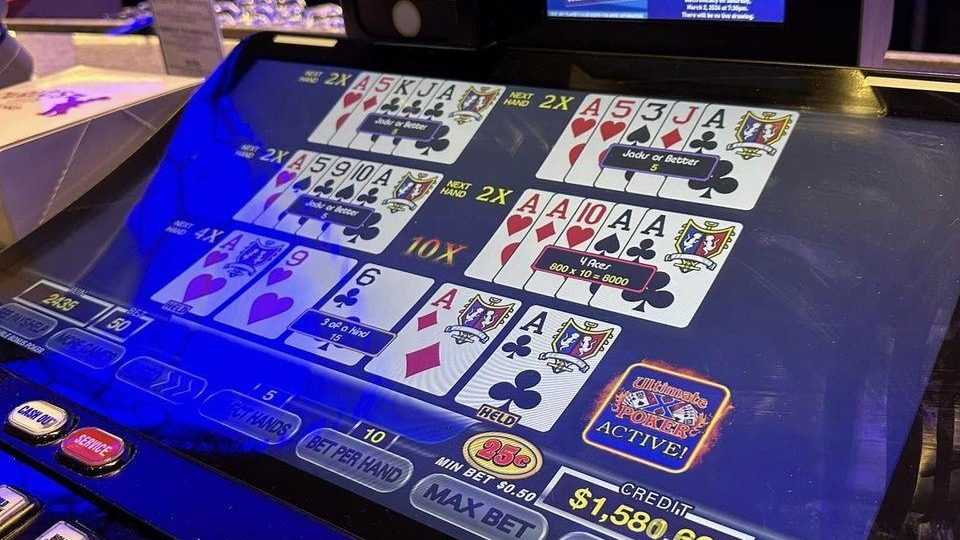
Computer technology always paralleled the changes in gaming. Initially, buttons on the panel had to be used to choose options on the video screen or to access the help screens. Manufacturers quickly made things easier with “touch-screen” technology.
At first, touch screens simply created customer convenience in game selection and denomination choice. The technology was also applied to video poker; players were able to simply touch the cards they wished to hold and automatically discard the remaining cards. Slot machine and video poker touch screen technology has been shown to enhance the overall gaming atmosphere by:
- enhancing player interaction and engagement, making gaming more immersive and intuitive.
- allowing players to directly engage with games through tapping and swiping, and more dynamic gameplay experiences.
- enabling features like bonus rounds and mini-games that were previously difficult to implement.
- adding high-definition displays and responsive touch interfaces, attracting players and encouraging longer gaming sessions.
- driving higher revenues for casino operators by improving player satisfaction and retention
8. Auto Shuffling
The gambling industry uses a basic truth to make more money: the faster the game goes, the more money you will lose, and the casino will win. The creation of a machine to automatically shuffle playing cards was a dream come true for the gambling industry.
In the year 2000, automatic shufflers hit the casino floors. Shuffle Master debuted The King, the first continuous shuffling machine (CSM). It was like a never-ending shoe that shuffled the cards and randomized the decks for the next hand. However, Blackjack players were not amused.
It is extremely difficult to effectively count cards with a CSM. The additional advantages also included speeding up the game by up to 20% and saving money on decks of cards. CSMs are a win-win for the casino and one of the few gambling innovations to affect table games.
9. Electronic Table Games
The innovation of electronic table games (ETGs) offers a modern twist on traditional casino games, combining the excitement of table games with the convenience of electronic interfaces.
While providing more choices and social fun for players. Casino management likes these formats because it allows casinos to decrease their staff, speed up games with fewer or no dealers, and collect precise data on a guest’s play. Manufacturers also advertise “Flexible configuration options from an exciting stadium to the intimacy of a personalized terminal can maximize floor space.”
There are three categories: heads-up games (one player), multiplayer machines (3-8 players, same game), and stadium installations (numerous players possible, numerous games available). Stadium gaming also uses live dealers.
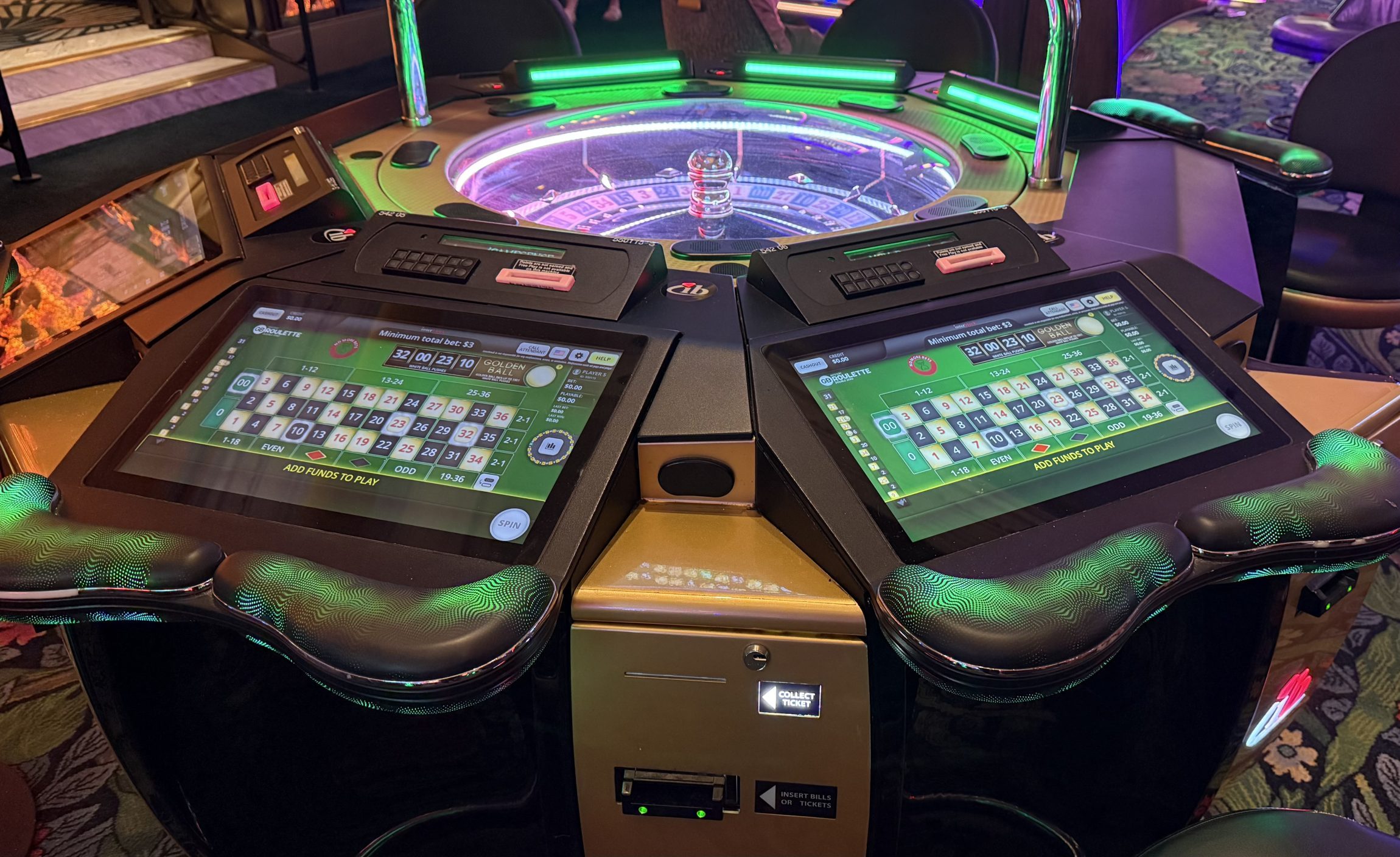
Popular Electronic Table Games include Blackjack, Roulette, Baccarat, Craps, and Poker Variants such as Three Card Poker and Ultimate Texas Hold’em, allowing players to compete against the house or each other. Truth be told, most of these games give little to no comp points for play.
Many ETGs feature touch screens and intuitive controls for players, and some games allow multiple players to join in on the same table.
Unfortunately, the downside has already started. The Golden Gate Casino in Downtown Las Vegas has eliminated all live dealer table games and runs a fully electronic casino floor, with more small casinos looking to do the same.
10. Online and Mobile Gaming
Only a few years old, the latest innovation is also likely to be the one that makes the most impact. It may be very new, but it will draw gamblers of all ages for a long time.
The smartphone era, beginning with the iPhone release in 2007, made it easy to make real money on mobile casino games. As of 2025, some form of mobile betting is legal in nearly 40 states across the U.S., with mobile slots and table games available in seven states.
Some states allow nearly every form of gambling, from casinos and sportsbooks to online gaming. This includes various forms of online gambling such as sports betting, online casinos, and poker.
Takeaway
Gambling innovations can benefit the player, the owner, or both. The ten included here are the choices of one man – me. What does the future hold? Will Virtual Online Gaming, AI, or Cryptocurrency be the next outstanding trend? Will the next gambling innovation improve or impede the involvement of the many generations of gamblers?