

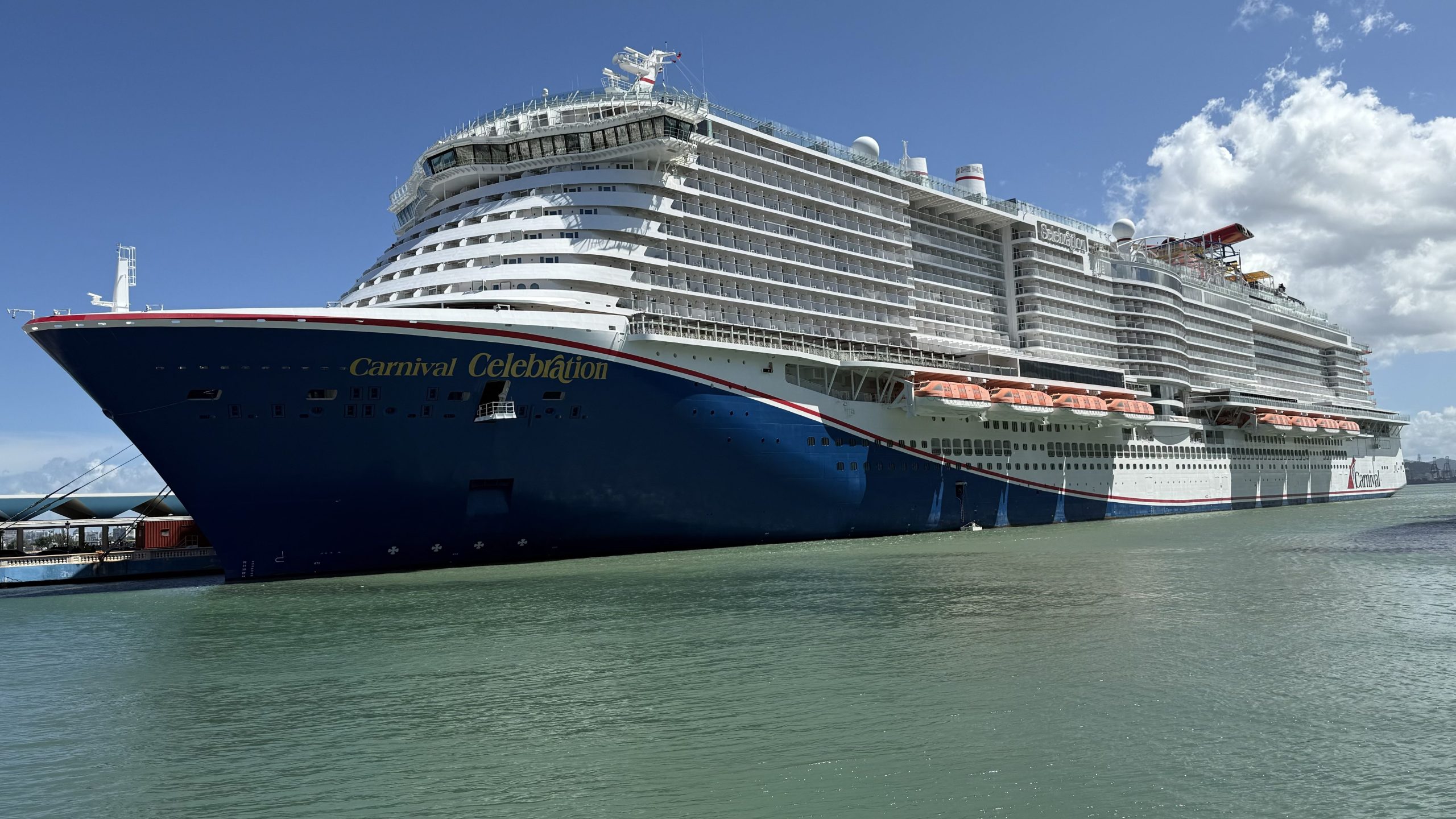
For those of us who spend enough time on cruise ships (if you’re not one yet, you can always join us), you might notice that the top jackpot on many slots is capped at its reset number, and doesn’t increase like it does in most casinos:
On cruise ships, why do some of the link jackpots remain at the start up amount? What happens to the RTP allocated to the link given it doesn’t increase?
Simon
Generally, casinos take steps like this (you’ll see it in big casino markets like Las Vegas as well) to reduce their overall potential liability. A cruise ship casino will only have so much cash on board, and the bigger those progressives grow, the more they’ll need in case a number of big progressives are won on a single cruise.
Most of these link Grand progressive jackpots don’t have an upper limit, and with many cruise ships encouraging cashless play nowadays, there’s limited reasons for the ships to have cash on board, and this is one of them.
So by not allowing them to grow, it keeps the top prize manageable enough. But to the second part of your question, it’s also a bit more profitable for the cruise ships too.
That’s because when progressives are frozen instead of moving, whatever money would have gone to growing that progressive simply goes instead to the casino’s bottom line. Generally it’s not a big chunk of the RTP of the game – perhaps a half to one percent of the overall payback, since it’s just the incremental amount and not the reset amount that’s held back – but it still counts over time.
Of course, that entire amount shaved off the RTP only impacts the handful of people who ever hit a Grand on a particular machine, so for most of us it’s a theoretical reduction. But it’s still a factor in the machine’s longer term payback potential that they’re frozen, which brings the expected percentage down.
Have a question? Submit yours here!













