This page was produced in partnership with our sponsor IGT. Learn more about our editorial policy.
Commercial casino markets like Las Vegas and Atlantic City set the tone, but some of the more exciting innovation in recent decades has taken place in the Tribal Gaming space.
In many markets, players may have come to know Class II machines, even if it wasn’t always so obvious. Class II differs from Class III under U.S. federal law, and for a long time that meant a different sort of game.
But thanks to innovation in the market, including by the team at IGT, a Class II gaming floor looks increasingly like a Class III one.
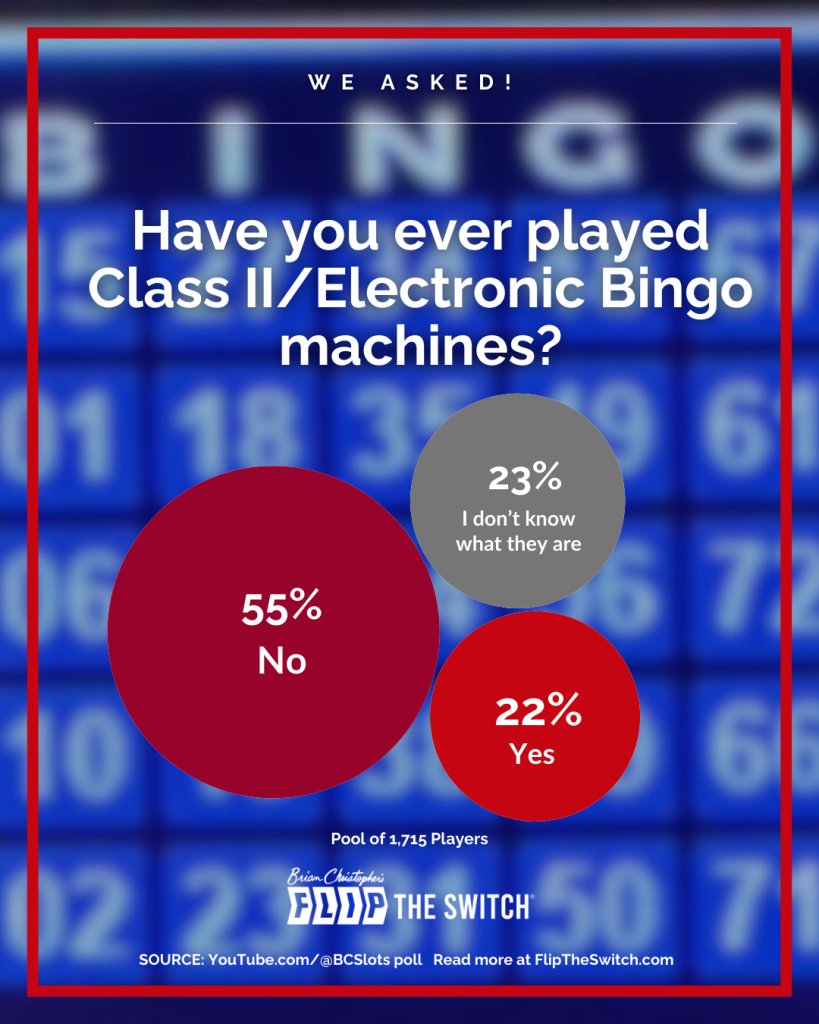
But if you’re a player who isn’t familiar with Class II or what it means, we’ve got you covered. And for those of you who have asked us over the years why it seems like some machines have a bingo card on it, this article is for you!
In our latest collaboration with IGT, we were able to learn more about what these machines are all about, and how increasingly your favorite games from Las Vegas are also appearing in Tribal casinos that offer Class II gaming options.
Defining Class II and Class III
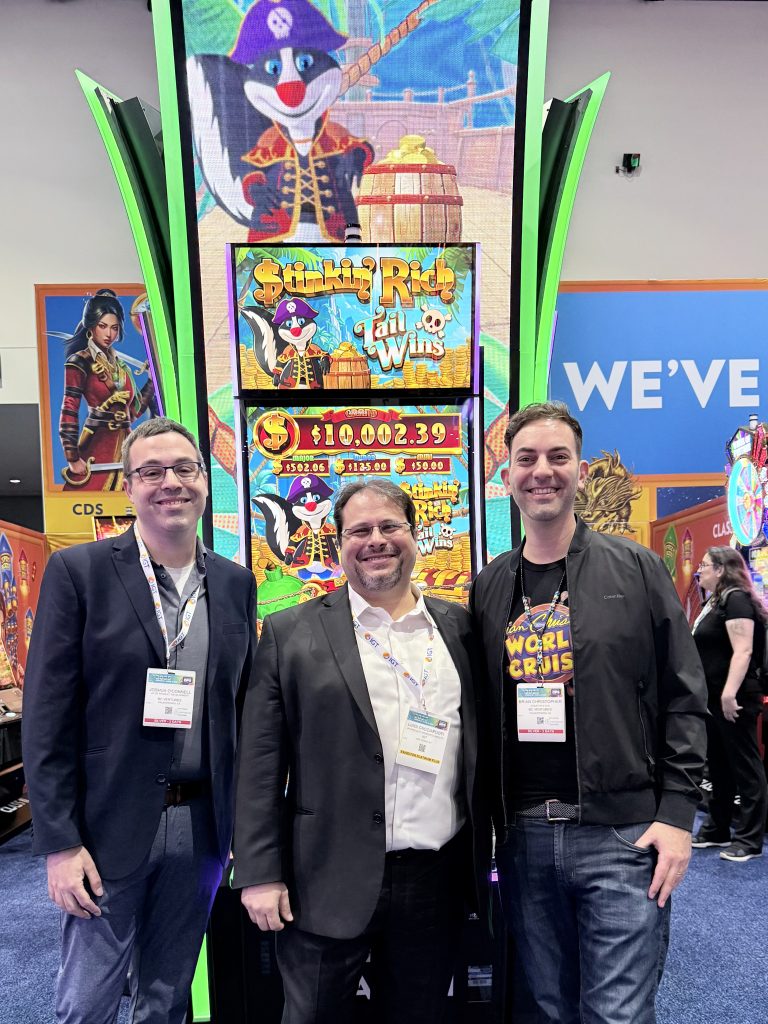
To get started, we asked Luigi Cacciapuoti, Vice President of Specialty Products and Electronic Table Games at IGT, to share the difference between Class II and Class III machines.
“In a Class III slot machine, the outcome of the game is generated by software,” he said. “In the industry, we call it the random number generator (RNG), which defines what is the combination that you would see on the reels when they stop.
“Class II works similarly, but with a different engine. We use a central bingo system that generates a draw, a bingo card with all the balls drawn for each spin. The position of those balls on the card defines the outcome, which is then translated to a combination on the reels that generates the same outcome.
“So it’s very similar, where an engine generates an outcome, and a combination is shown on the reels, but with a different base in terms of math.”
So when you see that bingo card on the machine, that means you are playing a Class II machine. The outcome is determined by the game of bingo (that’s what you’re wagering on), and the reels show an outcome that matches your outcome on the bingo card, whether a winning wager or a non-winning one. As you’ll probably remember seeing on some machines, the reels are “for entertainment purposes only,” but still provide an experience players love.
Some of us have played bingo in a casino, where you’re in a bingo hall, playing against other players to be the first to complete a pattern. Patterns still matter on a Class II machine, but a key difference is you’re playing to match the winning patterns. “There is no real-time interaction between the players,” Cacciapuoti said. “When you spin, you are getting your own personalized draw.”
Convergence of Class II and Class III
Over time, Class II machine capabilities have been getting more structurally developed. This convergence is good news for players, because it means formats popular in Class III markets like Las Vegas can more easily find their way to casino floors in Tribal Gaming casinos as well.
“In the past, Class II and Class III were visibly different in terms of games and machines,” Cacciapuoti said. “In the past five or six years, we’ve seen more and more similarities between the two markets. They share the cabinets and share the same games.”
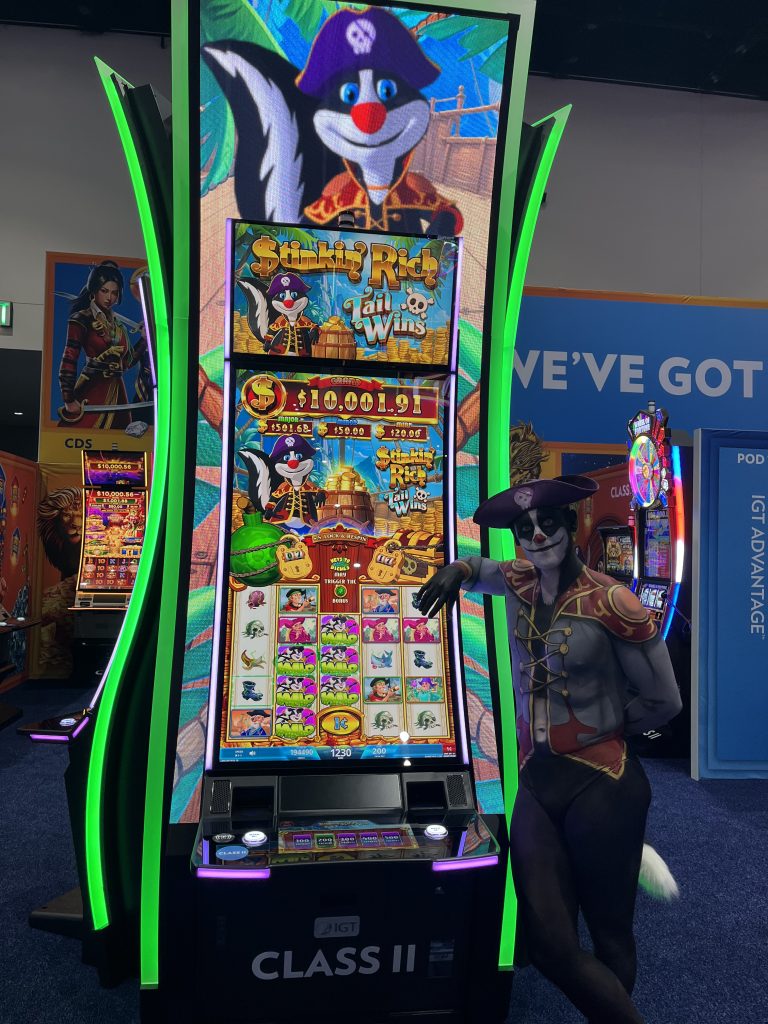
During our visit recently to the IGT booth at the Indian Gaming Trade Show & Convention in San Diego (often shortened to IGA), we saw the new RISE55 cabinet, their latest. And in a twist, Cacciapuoti said it was available for both Class II and Class III gaming floors. “The RISE55, we are launching Class III and Class II the same day together. This is a testament of how Class II is catching up, and now they are at the same level.”
Not only with cabinets, but IGT’s top-performing games are also making their way to Class II more quickly, and it starts with their test bank program, which we shared details about last year.
“Before having a wider release of our games in Class III, we test the games in a real-money environment,” Cacciapuoti said. “We place the games with partner properties, with real players in front of it playing with their own money. The games that prove to be most successful during that test period, we bring to Class II.
“Now we can bring any type of game to Class II. So when we see the game is resonating with players, we port it over. Between finishing the testing and setting things up, it takes some time before you can have it ready for Class II, but this time gap is getting closer and closer.”
‘Local Champions’ Remain Player Favorites
That doesn’t mean the game line-ups are identical, though. Class II has a rich history of content that many players still enjoy, and that is an area IGT also aims to please through releases Cacciapuoti called “Local Champions.”
“When Class II was still quite separate from Class III, some markets like Oklahoma and Washington got started with Tribal Gaming, and they had local vendors and offerings,” he said. “Those games proved to be very popular. There are still a lot of players who really like and have a connection with those games that were only for Class II in the past.
“For instance, for tribal gaming in Washington, we have a very successful line of games, Triple Fortune Dragon.” He noted its continued popularity in that market means new Triple Fortune Dragon series games continue to be released there, offering some additional variety to the lineup.
Recognize the Brand, Recognize the Experience
Something that IGT has not taken for granted is players’ affinity for brands in their lineup. That means when you see the same game in a Class III casino vs. a Class II, or even side-by-side in the same casino as is sometimes the case, players will find a mostly consistent experience.
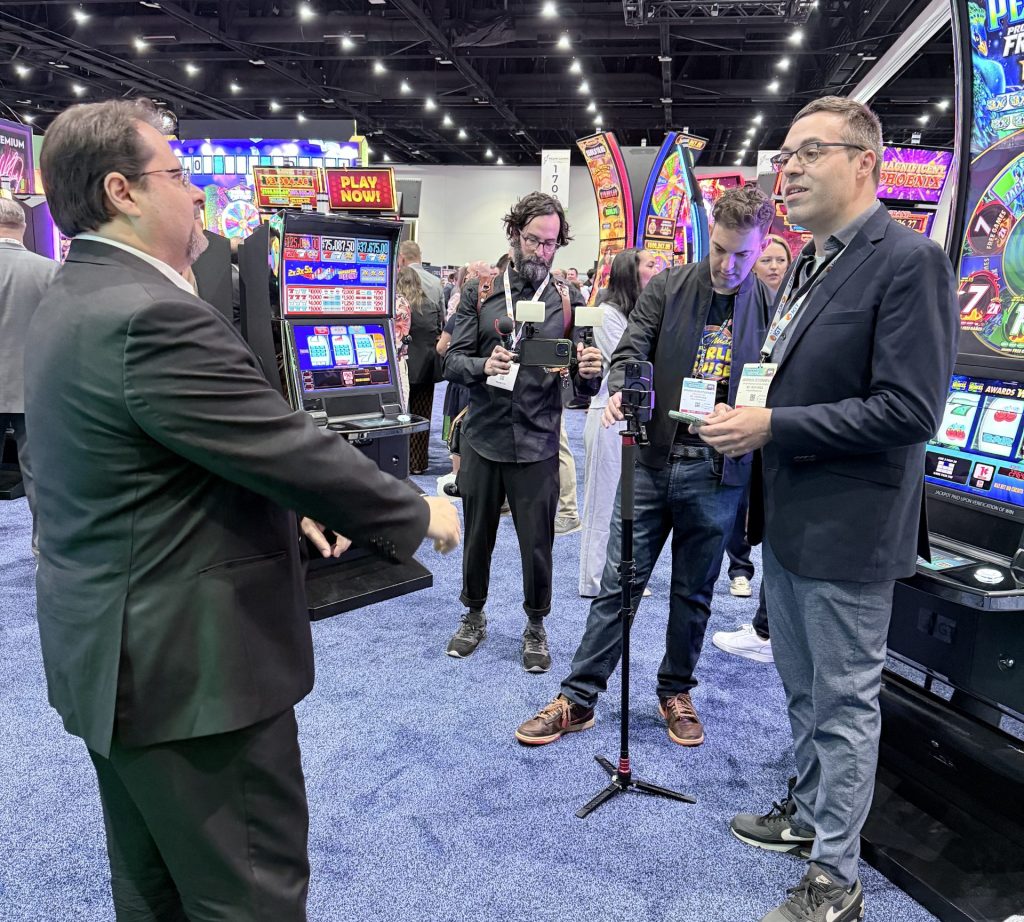
“For us, when bringing games from Class III to Class II, we need to be faithful with the original mechanics,” he said. “In the past, there were some game mechanics that were hard to port, such as persistence. In those cases, we preferred in the past to skip them. We didn’t want the players to feel something was not familiar.
“We’ve invested a lot to bring all the mechanics that the players are used to into the Class II world. As of now, it is more or less the same.”
But some fine tuning is sometimes done to some games to make them better align with what players in a given market prefer.
“Something that we always do is a process called ‘market attunement,’” he said. “Certain markets may have some local preferences, for instance wanting games that are more volatile. What we do is adapt the math of the game to be a bit more in line with that, while still being faithful to the original game mechanics and the look and feel, but make it the best for that specific market.”
Tapping Into Player Rituals
Finally, players in Class II markets are always curious about things like whether tapping the bingo card has any influence on the outcome of their spins. Cacciapuoti cleared up the question.
“It has no effect. You can consider this like other rituals that players have, like rubbing the symbols, following the reels, spinning the reels when it is already spinning.”
He said player rituals are one of the things he enjoys about the industry. “I love when I see those things because this means I know we did a good job. The players are connected to the game and to the experience.”
Game designers even lean into those rituals to offer players a bit of extra fun. “On many Class II games, like in Washington, we’ve introduced ‘easter eggs.’ For instance, in the Triple Fortune Dragon series, if you rub the dragon statue a small dragon pup comes out. Those small unexpected features enhance the connection with the players.”
So when you find yourself in a Tribal Gaming casino with Class II machines, you can expect your favorite brands to work more or less as you’ve experienced them elsewhere. This is a great evolution for players, who can now find some of their favorite themes in a wider variety of locations, as well as for IGT, who is able to deliver a consistent experience across markets throughout the United States.