Gambling is one of those vices that are often layered initially with a sunny disposition. If you’re of a certain age, and you remember your state rolling out a lottery, they probably pitched it as a way to support education, for instance. But over time, states have become dependent on that revenue, and oftentimes lotteries are making up for money that would otherwise come from the general fund, money the states don’t have.
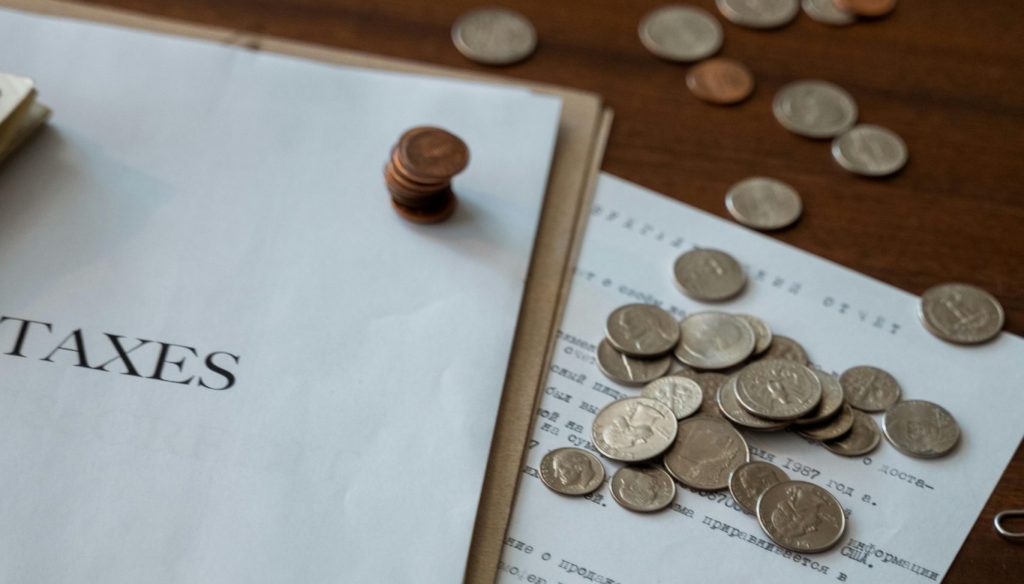
Over the past few years, most states have legalized sports betting, with many using the additional revenue to help bolster state budgets. But now, states are revisiting these approvals and looking at the tax rates. Illinois passed a tax increase in their budget, and other states, such as New Jersey, are considering raising their taxes too. Ohio raised their rate from 10 to 20 percent in 2023, only to have the rate be proposed to be increased further this year (which ultimately did not move forward).
Tax rates throughout the United States today vary quite widely. Some states, like New York, have set tax rates as high as 51 percent for sports betting, whereas Nevada is at 6.75%. Many of the states looking to raise their taxes today started off with tax rates at the lower end, and are looking to raise their numbers to approach or match the higher tax rates other states have implemented.
Often these are also aimed to help at a time of budget deficits. Each state set their own iGaming and sports betting rules on their own time, and the tax rates are a part of those decisions.
But that’s a lot of political and financial jargon for some of us. What these raised tax rates mean for us as players is simple: Worse payouts and offers for players will follow.
When we talk about online casinos, for instance, we often share how the return to player, or RTP, of online slots tends to be better than in physical casinos. But when the tax rates on iCasinos are targeted for an increase, the easiest way for operators to make up for it is to lower the paybacks and reduce the player offers to come back and play.
While many online slots are designed with payback options of 94 and 96 percent, many also develop lower paying options, down to as little as 90 percent – which would be below the average slot payouts in most physical casinos overall. It’s still higher than what some physical casinos offer penny denomination players, but when you consider most online slots have a set online payback percentage for all bet levels, bigger bettors will likely find themselves with worse paybacks than in person.
At some point, online slots can more adeptly adapt payback to the bet levels an evolution I’m sure will come in some form, whether it be within the same game or separate “high limit” games to match in person casinos. But today, it’s pretty one size fits all.
For sports betting, a similar scenario is already playing out – in markets where tax rates are higher, the operators are less aggressive in recruiting players in those states to begin with, but when they do they’re more likely to have worse odds and bonuses to play in those states.
Sports betting odds don’t adapt to your bet level either, so if the odds worsen across the board, the bigger your bet, the worse things will be (from a dollar amount perspective) over time.
In the end, a tax increase on these options is a tax increase on us. Lower paybacks and worse odds means we spend our gambling dollar faster. And as much as players want to blame the casinos, it’s oftentimes the casinos simply passing along the cost of doing business that those taxes instill on us.
If you are a constituent in a state where these tax increases are being proposed, you can reach out to your elected officials and tell them that you disagree with these changes. Your voice may encourage them to think about other ways to balance the budget.
So-called sin taxes have long been an avenue states have pursued to help get them out of trouble when a state’s budget falls short of what it needs to operate. More often than not, casino players are among those who are caught holding the bag while chasing bags, so to speak.